The Philippine film market is seeing a growing influx of Jackie Chan action‑comedy classics in Tagalog dubbed form, a shift that promises to broaden the franchise’s reach yet also presents a mixed bag of benefits and challenges for viewers and scholars alike.
Context: Dubbing in the Philippines
For decades, Filipino audiences have relied on local dubs to enjoy foreign blockbusters, a practice that dates back to the 1970s. With the advent of streaming services such as Netflix, iWantTFC, and local distributors like GMA Network, the industry has accelerated the production of Tagalog‑dubbed titles. Jackie Chan’s films—known for their blend of martial arts and humor—have become prime candidates because their universal appeal and dialogue‑heavy action sequences translate well when rendered in a language that feels native to the audience.

Details: Pros and Trade‑Offs
- Accessibility: Tagalog dubs eliminate language barriers, allowing non‑English speakers to follow complex fight choreography and quick‑fire banter.
- Cultural Resonance: Localized humor, idioms, and references make the films feel more immediate to Filipino viewers.
- Loss of Original Voice Nuance: Jackie Chan’s unique vocal cadence, often used to enhance comedic timing, can be muted or altered in translation, potentially diluting the original charm.
- Synchronization Issues: Poorly synced audio can disrupt the pacing of action scenes, turning a fluid sequence into a jarring experience.
- Variable Quality: Some dubs are handled by experienced voice actors and professional studios; others are produced on tight deadlines, resulting in uneven performance and occasional mistranslations.
For instance, the Tagalog dub of Rookie of the Year received praise for its natural voice work, while the dub of The Protector faced criticism for literal translations that missed the punchlines. Such discrepancies illustrate the importance of scrutinizing each dub on its own merits.

Implications for Researchers and Enthusiasts
Scholars studying film localization can use the Tagalog dubs to examine how humor and action are adapted for a different cultural context. By comparing original English audio with the dubbed version, one can track changes in dialogue pacing, cultural references, and even regional slang. However, researchers should be aware that a single dubbed edition may not represent the entire spectrum of local adaptations—some studios release multiple dubs, and fan‑made translations can further complicate analysis.
Practical Recommendations
- Verify the source: Prefer dubs from well‑known distributors or official streaming platforms, as they tend to have higher production values.
- Check for subtitles: Even with a dub, subtitles can aid comprehension of nuanced lines or technical jargon that a voice actor might gloss over.
- Compare versions: If possible, watch both the original and the Tagalog dub to identify differences in pacing, humor, and cultural adaptation.
- Engage with community forums: Filipino movie enthusiasts often discuss dubbing quality online; these conversations can point to the most reliable dubs.
In summary, while Tagalog‑dubbed Jackie Chan movies open the door to a wider audience and offer culturally resonant viewing, the experience hinges on the quality of the dub and the diligence of the viewer. By approaching each film with an awareness of these trade‑offs, researchers and fans can fully appreciate both the martial artistry and the localized storytelling that define the franchise in the Philippine context.
ประชาสัมพันธ์ แผนกวิชาช่างก่อสร้าง วิทยาลัยเทคนิคร้อยเอ็ด Added A New
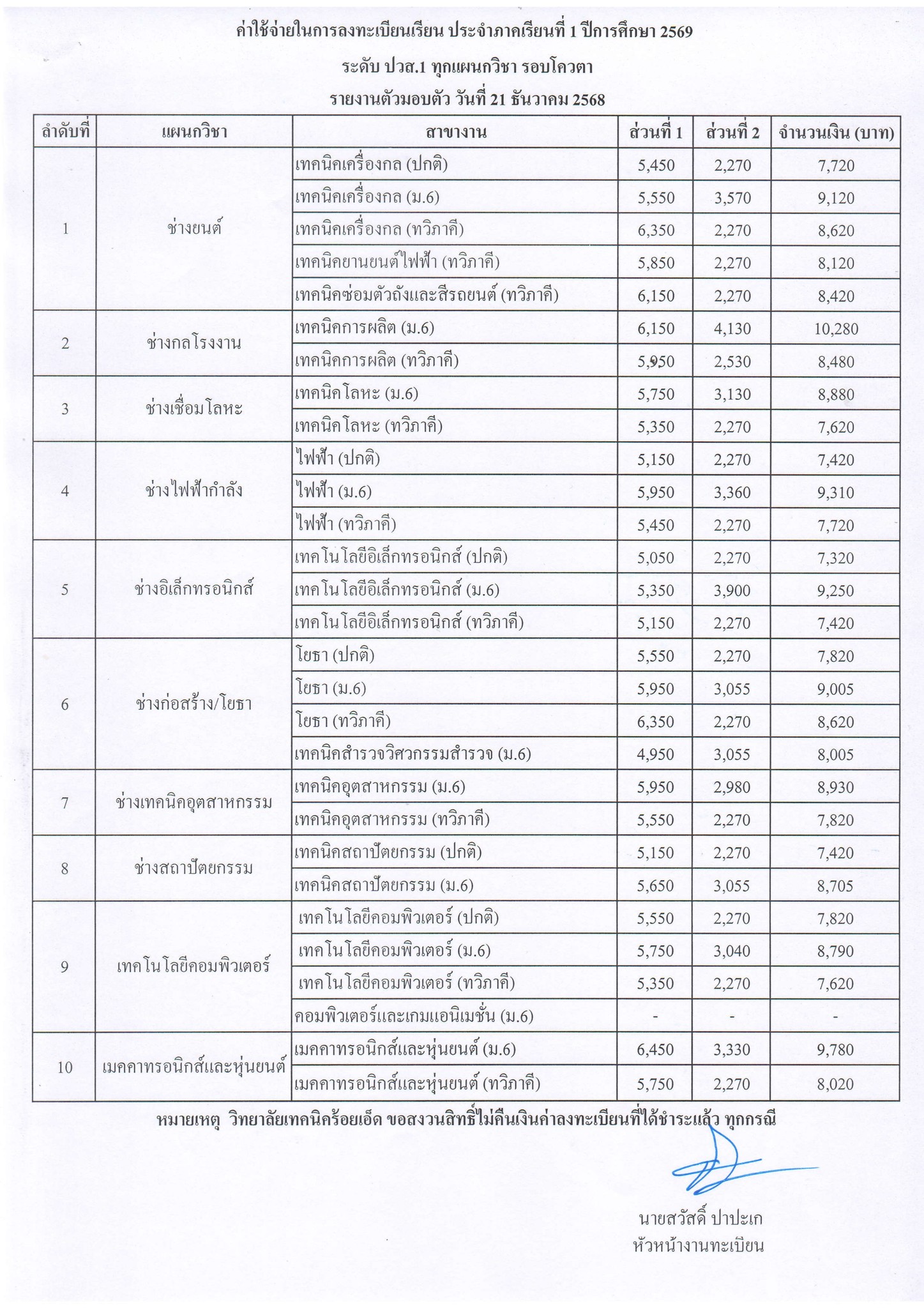
ประชาสัมพันธ์ แผนกวิชาช่างก่อสร้าง วิทยาลัยเทคนิคร้อยเอ็ด added a new ...
แผนกวิชาช่างก่อสร้าง วิทยาลัยเทคนิคกันทรลักษ์ | Amphoe Kantharalak

แผนกวิชาช่างก่อสร้าง วิทยาลัยเทคนิคกันทรลักษ์ | Amphoe Kantharalak
แผนกวิ... - แผนกวิชาช่างก่อสร้าง วิทยาลัยเทคนิคประจวบคีรีขันธ์

แผนกวิ... - แผนกวิชาช่างก่อสร้าง วิทยาลัยเทคนิคประจวบคีรีขันธ์