Many Muslims discover that their Gregorian birthday does not match their Islamic (Hijri) age, a discrepancy that can affect fasting, prayer timings, and eligibility for certain rituals. Consulting an Islamic expert resolves the confusion quickly, ensuring personal observance aligns with the lunar calendar without adding complexity to a busy schedule.
Why the Hijri Calendar Matters in Daily Life
The Islamic calendar is 10 to 12 days shorter than the Gregorian year, so each birthday moves earlier by about eleven days. For busy professionals, this shift can mean unintentionally missing the start of Ramadan or the correct day for a Hajj visa. Knowing your exact Islamic age helps you plan religious obligations alongside work commitments, travel, and family events.
How an Islamic Expert Determines Your Hijri Age
Islamic scholars rely on two core tools: the Umm al‑Qura calendar (used officially in Saudi Arabia) and traditional moon‑sighting reports. An expert asks for your Gregorian birth date, place of birth, and any known moon‑sighting adjustments in that region. They then run the data through conversion software calibrated to the chosen calendar, cross‑checking with local sighting records to resolve ambiguities.
For example, a New York‑born Muslim whose birthday is 15 March 1990 will, according to a certified scholar using Umm al‑Qura, have a Hijri birth date of 23 Rabiʿ Al‑Awwal 1410 AH. The expert confirms the conversion by comparing it with documented moon‑sighting tables for the United States, ensuring the result reflects the most widely accepted practice.
Practical Scenarios Where Expert Advice Saves Time
- Ramadan preparation: Knowing the exact Hijri start date lets you adjust your work calendar ahead of time, preventing last‑minute schedule clashes.
- Marriage eligibility: In some communities, a minimum Islamic age is required for marriage contracts; an expert can verify compliance instantly.
- Hajj and Umrah planning: Visa applications often demand a confirmed Hijri age; a scholar’s certified statement speeds up the paperwork.
- Medical records: Hospitals in Muslim‑majority countries sometimes record age according to the Hijri system; accurate conversion avoids dosage errors.
Choosing the Right Islamic Expert
Not all scholars are equally equipped for precise date conversion. Look for these three criteria:
- Certification: Verify that the scholar belongs to an established body such as the Islamic Circle of North America (ICNA) or a recognized university’s department of Islamic studies.
- Methodology disclosure: A reliable expert will explain whether they use Umm al‑Qura, the Saudi Ministry of Islamic Affairs calendar, or local sighting reports, and why.
- Responsiveness: Busy readers need quick answers; many scholars now offer email or messaging services promising responses within 24 hours.
What to Expect From a Consultation
During a typical 15‑minute consultation, the expert will confirm your Hijri birth date, provide a short written verification, and answer any follow‑up questions about ritual timing. They may also suggest reliable apps for personal tracking, such as “Islamic Calendar Pro,” which integrates the scholar’s conversion method.
After receiving the verification, you can update your personal calendars, inform your employer’s HR department, or attach the document to visa applications—no additional paperwork required.
Bottom Line: Aligning Faith With a Full Calendar
Understanding your Islamic age is more than a numeric curiosity; it directly impacts how you observe fasting, perform pilgrimages, and fulfill family responsibilities. By engaging a qualified Islamic expert, you obtain an accurate Hijri age quickly, allowing you to integrate religious obligations seamlessly into a packed professional life.
How To Do Bird Dog Crunch From A Fitness Expert
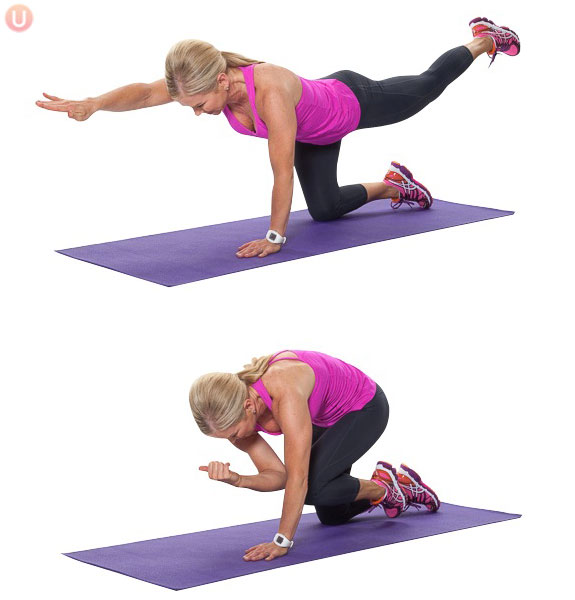
How To Do Bird Dog Crunch From A Fitness Expert